
Brand Identity vs Logo: What’s the Difference?
A logo is one visual identifier within a much broader brand identity. Understanding the difference helps businesses commission the right work and build a consistent system across digital, print and everyday communication.
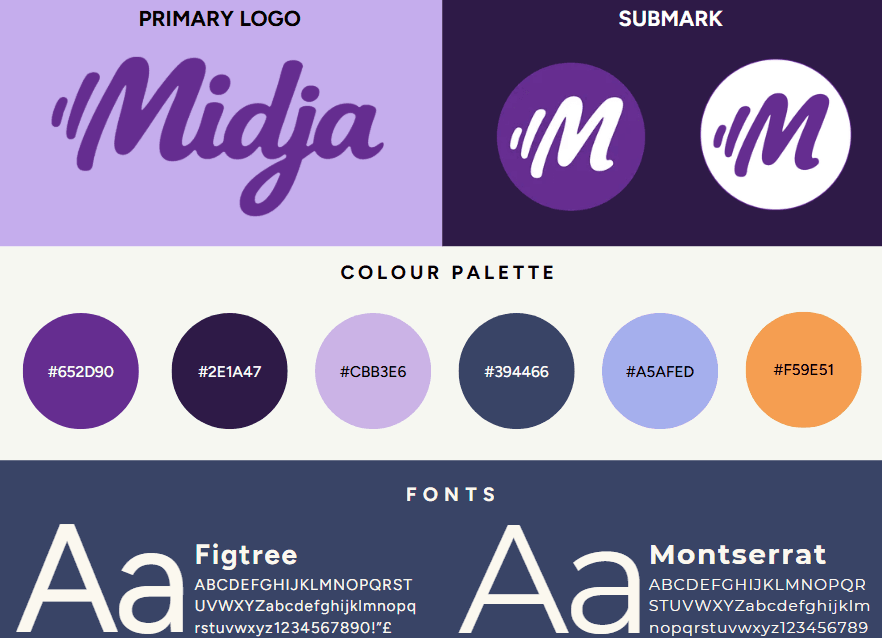
“We need a brand” and “we need a logo” are often used to describe the same request. They are related, but they are not the same thing.
A logo is a recognisable mark used to identify a business. A brand identity is the wider system that shapes how the business looks, sounds and presents itself across different situations. The brand itself is broader still: it is the understanding and expectations people develop through every experience they have with the organisation.
Knowing the difference helps a business commission the right work, compare proposals fairly and avoid expecting one design element to carry the entire brand.
What is a logo?
A logo is a visual identifier. It may consist of the business name, a symbol, initials or a combination of these elements.
Its main role is recognition. It helps people identify the organisation on a website, sign, product, document or social profile.
A useful logo should be distinctive enough to recognise, appropriate for the organisation and practical across the formats in which it will appear. It may need horizontal, stacked, compact or icon-only variations to remain usable at different sizes.
However, a logo cannot explain the entire business. It does not contain every message, value or personality trait. Its meaning grows through consistent use and the experiences associated with it.
What is a brand identity?
A brand identity is the coordinated system used to express the organisation.
It gives designers, marketers and internal teams a shared set of principles and assets for creating recognisable communication. The identity should be flexible enough to support different content while remaining consistent enough to feel connected.
A visual brand identity may include:
- the logo and its variations;
- colour palette;
- typography;
- graphic shapes or patterns;
- iconography;
- illustration style;
- photography direction;
- layout principles;
- motion or animation behaviour;
- templates for common materials.
A broader identity system may also define:
- positioning;
- value proposition;
- key messages;
- tone of voice;
- naming conventions;
- brand personality;
- guidance for different audiences or services.
The precise contents should reflect how and where the business communicates. A hospitality brand, professional services firm and digital product will not require identical systems.
What is the brand itself?
The brand is not simply the collection of assets a company owns.
It is the set of ideas, memories and expectations people associate with the organisation. Those perceptions are influenced by design and communication, but also by service, product quality, customer support, staff behaviour, pricing and reputation.
A business can design its identity and influence its brand, but it cannot control perception through graphics alone. The experience needs to support the promise.
A simple way to understand the difference
Consider a person attending an important meeting.
Their name is comparable to the business name. Their signature can be compared with a logo. Their clothing, voice, manner and way of presenting information are closer to an identity. What other people come to believe about their reliability, expertise and character resembles the brand.
The signature helps identify the person, but it cannot create the complete impression on its own.
Why a logo alone is often not enough
A logo may look effective in isolation but leave the business with unanswered questions:
- Which colours should be used beyond the logo?
- What typefaces should appear on the website and documents?
- How should social posts be recognised when the logo is small?
- What style of photography fits the brand?
- How should presentations, proposals and advertisements be laid out?
- What should the business sound like in writing?
- How should different teams or suppliers create new material consistently?
Without a wider system, each item is designed independently. The logo may remain the same while everything around it changes. This can make the business feel fragmented even when individual materials are well produced.
The role of colour
Colour helps create recognition and hierarchy across brand communication.
A complete palette normally defines primary and supporting colours, suitable combinations and specifications for digital and print use. It should also consider contrast and accessibility so that text, buttons and information remain usable.
The objective is not to use every brand colour in every design. The system should explain how colour supports emphasis, mood and consistency.
The role of typography
Typography affects how the brand feels and how easily information can be read.
An identity may use different typefaces or weights for headlines, body text and functional information. The choices need to work across websites, social graphics, presentations and office documents, with appropriate licences and practical alternatives where required.
A logo may use custom lettering that is not intended for ordinary text. Typography rules ensure that everything around the logo still belongs to the same visual language.
The role of imagery and graphic elements
Photography, illustration, icons, shapes and patterns allow the brand to remain recognisable when the logo is not the main focus.
Image direction might define subject matter, composition, lighting, colour treatment and what should be avoided. Graphic elements can help organise information or give campaigns a distinctive visual character.
These components are particularly important for social media and content marketing, where repeatedly enlarging the logo is not a meaningful design system.
The role of voice and messaging
People also recognise brands through language.
Tone of voice guides how the organisation communicates, whether that should feel direct, formal, warm, technical, energetic or restrained. Messaging identifies the ideas that should remain clear across the website, proposals, campaigns and conversations.
Visual identity and verbal identity should support the same positioning. A premium visual system paired with careless or inconsistent copy creates a mixed impression.
How the parts work together
A strong identity does not make every item look identical. It creates a recognisable relationship between them.
For example, a social post, website page and printed brochure may use different layouts because they serve different purposes. They can still feel connected through colour, typography, imagery, spacing, voice and graphic details.
This balance between consistency and flexibility is one of the main differences between an identity system and a folder containing a logo file.
What are brand guidelines?
Brand guidelines explain how to apply the identity.
They may cover logo spacing and minimum sizes, colour values, typography, imagery, tone of voice, templates and examples of correct or incorrect use. Their purpose is to make good decisions repeatable, particularly when several employees, agencies or suppliers create material.
The length of the document should match the complexity of the organisation. A small business may need a concise, practical guide. A larger brand with several teams, services or markets may require a more detailed system.
Guidelines are most useful when accompanied by accessible assets and templates. Rules alone will not create consistency if staff cannot find or use the right materials.
Does every business need a complete brand identity?
Every business needs a coherent way to present itself, but the scope should be proportionate.
A small new business may begin with a focused identity containing a logo, colour palette, typography, basic templates and clear messaging. More components can be added as the business grows and its communication becomes more varied.
An organisation with several departments, campaigns or customer touchpoints will usually need a more developed system. Without it, the cost and inconsistency of designing each item separately can increase over time.
The answer is not to produce a large guidelines document for its own sake. It is to provide the tools the business will genuinely use.
When logo design may be enough
A limited logo project may be appropriate when:
- the business is at a very early validation stage;
- the name and positioning are already clear;
- only a small number of materials are required;
- an existing identity system needs a new mark rather than wider change;
- the immediate budget is limited and the scope is clearly understood.
Even then, ask for the variations, file formats and basic usage information needed to apply the logo correctly.
When you need a broader identity system
Consider a complete brand identity if:
- the business needs to communicate across several channels;
- different materials no longer look or sound connected;
- several people or suppliers produce content;
- the organisation is entering a more competitive market;
- the current identity does not support digital use;
- a new website, campaign or physical space needs a coherent system;
- the business is repositioning or targeting a new audience;
- the logo is being redesigned as part of a wider strategic change.
What to ask for in a branding proposal
Before comparing quotations, confirm whether the project includes:
- Discovery or strategic work
- Logo concepts and variations
- Colour and typography systems
- Supporting graphic elements
- Photography or illustration direction
- Tone of voice or messaging
- Templates for priority applications
- Brand guidelines
- Final file formats and editable assets
- Ownership and third-party licensing terms
This prevents a logo-design proposal from being compared directly with a complete identity project as if they offer the same result.
Build recognition beyond the logo
A logo gives the business a mark. A brand identity gives it a coherent way to communicate.
At Midja, we design identities as working systems rather than isolated graphics. We consider how the brand needs to perform across websites, social media, print and everyday business material, then develop the components required to keep it recognisable.
If your business in Malta needs more than a logo, speak to Midja about the situations in which the identity must work. We can help define a proportionate scope and create a system your team can use confidently.
Frequently asked questions
Is a logo part of a brand identity?
Yes. The logo is one of the main identifiers within a brand identity, alongside colour, typography, imagery, graphic elements, voice and other rules for consistent communication.
What files should I receive with a logo?
You will normally need vector files for professional production and suitable raster formats for digital use, together with colour variations and any compact or horizontal versions included in the design.
Can a business keep its logo but update its brand identity?
Yes. If the logo remains recognisable and appropriate, the business can build a stronger colour, typography, imagery and template system around it. This is often part of a brand refresh.
What is the difference between visual identity and brand identity?
Visual identity refers to the visible system, including the logo, colours, typography and imagery. Brand identity may be used more broadly to include positioning, personality, messaging and tone of voice.
Make it seen.Make it matter.
Bring us your marketing, website or social profiles. We'll bring fresh eyes, honest ideas and absolutely no vague agency waffle.
Book a free reviewWe'll poke around
- Your marketing, minus the guesswork
- The profiles people actually see
- Quick wins worth acting on
No commitment. Just useful perspective and a clearer next move.